Why Feeling Like You Belong Is the Most Important Aspect of Dressing Well
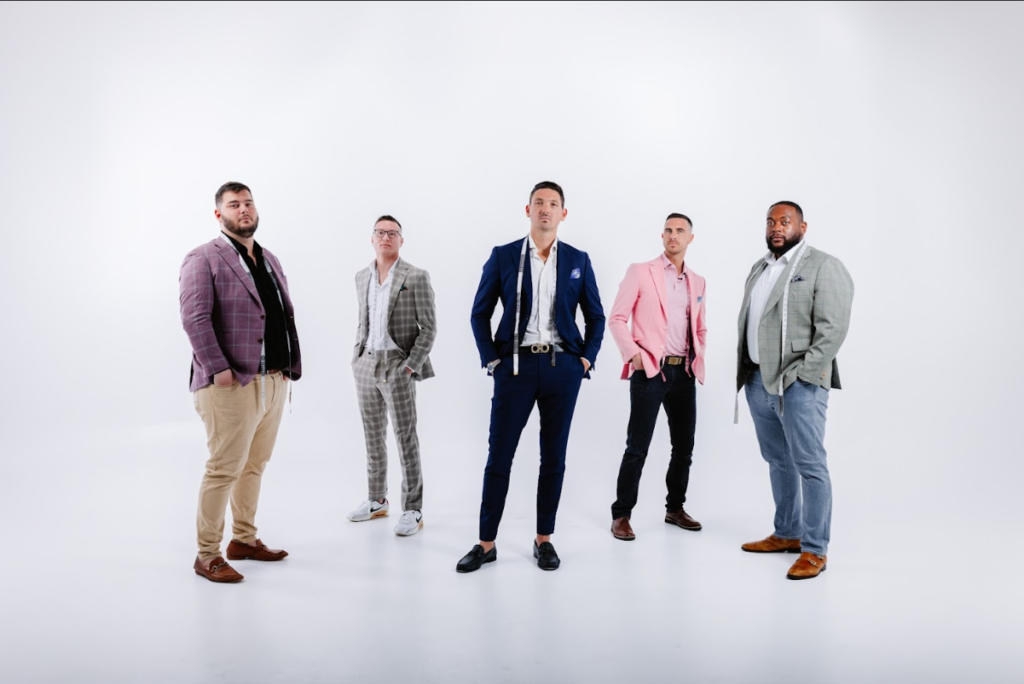
Do you remember what the “must-have” fashion item was when you were in high school?
For me, it was the Hollister hoodie.
Around 2010, it felt like everyone was wearing Hollister or Abercrombie & Fitch. I wanted that hoodie badly. I wanted to be one of the country club kids who went to the mall every weekend and lit up their parents’ credit card on a new outfit.
Why I wanted a hoodie in Florida, I still have no idea.
Looking back, it wasn’t really about the hoodie. It was about what it represented.
It represented belonging.
And in many ways, that same motivation still drives how adults dress today.
The Shift Toward Intentional Dressing
Over the past few years, fashion has experienced a noticeable shift. Logos are shrinking, trends are slowing down, and the loudest signals of status are fading into the background.
In their place, something more thoughtful is emerging: intentional style.
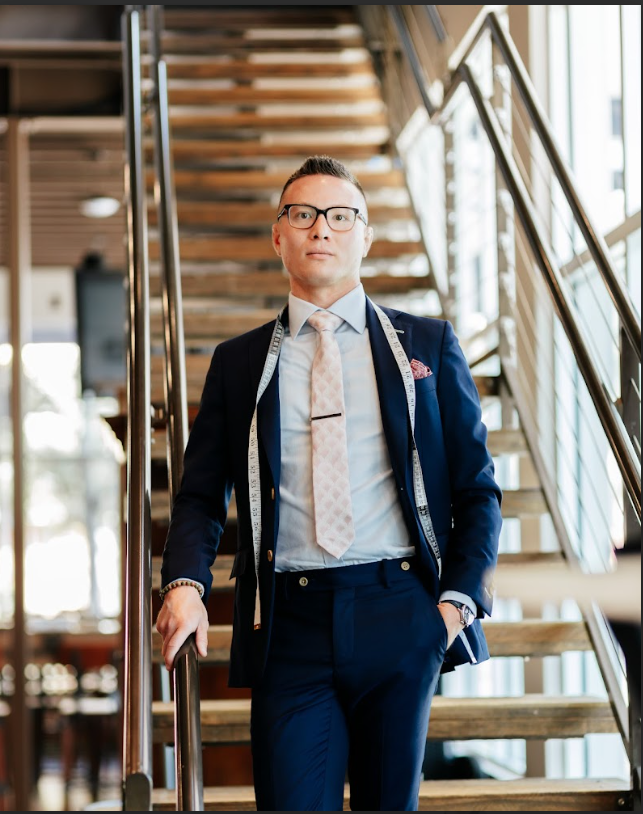
Intentional dressing isn’t about chasing the latest trend or impressing strangers. It’s about choosing clothing that aligns with who you are, what you do, and where you belong.
I see this shift happening across nearly every profession. From CEOs to creatives, people are becoming more thoughtful about how they present themselves. They’re not asking for louder fashion. They’re asking for clarity, confidence, and craftsmanship.
The common objective behind all of it is belonging.
People want to belong in their workplace.
They want to belong in their role.
And they want to feel like they belong in their own clothes.
Beyond Trends and Logos
For years, fashion cycles were driven by fast trends. Social media only accelerated this, encouraging people to constantly reinvent themselves with the next viral look.
But many professionals are pushing back against that constant noise.
Today, the conversation is shifting away from “What’s trending?” and toward more meaningful questions:
What fits well?
What is timeless?
What makes me feel confident?
This doesn’t mean brands have lost their value. Wearing and supporting a brand isn’t inherently a bad thing.
Take Rolex, for example. It’s one of the most recognizable brands in the world. People don’t buy a Rolex because it’s trending.
They buy it because of what it represents.
A Rolex signals achievement, exclusivity, and appreciation for craftsmanship. It communicates membership in a certain group—often high-achieving professionals who value quality and timeless design.
That’s intentional dressing with a strategic objective: elevating one’s status.
And raising status is something many clients actively want their wardrobe to help them accomplish.
Why Leaders Embrace Intentional Style
One of the most fascinating parts of my work is helping leaders refine their visual presence.
Clothing communicates long before you say a word. People form impressions within seconds based on how you present yourself.
Intentional dressing works particularly well for professionals because it signals three important qualities.
Confidence
When someone chooses well-tailored clothing without relying on loud branding, it communicates a deeper kind of confidence.
Their clothes don’t need to shout. Their presence speaks for itself.
Attention to Detail
Well-fitted clothing and thoughtful styling suggest that someone values precision and quality.
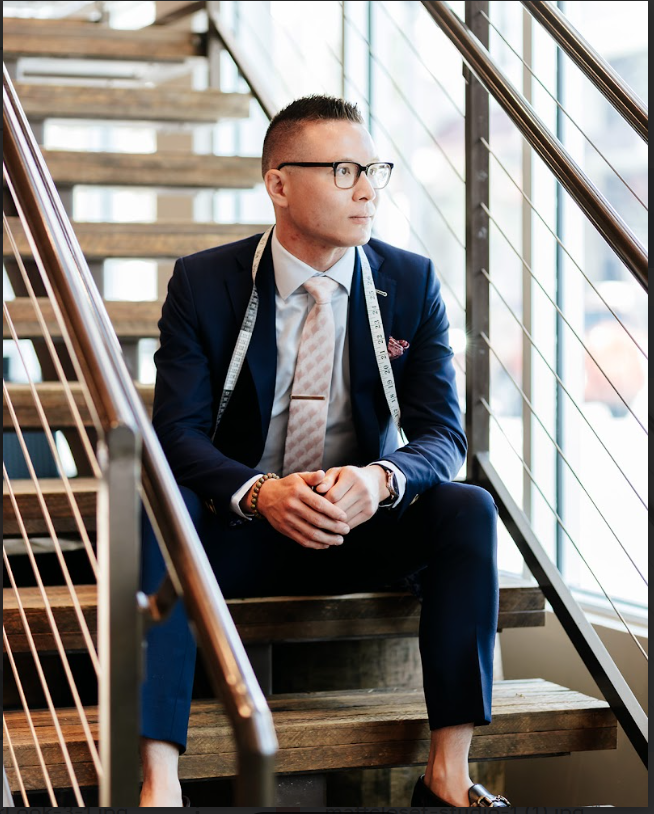
Those same qualities often translate into how they operate professionally.
Authenticity
Intentional style isn’t about copying a celebrity or influencer.
It’s about discovering what genuinely works for you.
When someone finds alignment between their personality, their lifestyle, and their wardrobe, confidence becomes effortless.
A Sense of Belonging
Humans are inherently tribal.
We instinctively organize ourselves into groups: business professionals, entrepreneurs, athletes, creatives, executives. Even small signals reflect these identities—BMW or Mercedes, CrossFit or Pilates, Yankees or Red Sox.
Clothing works the same way.
The right wardrobe communicates that you understand the environment you’re in and that you belong there.
That feeling—belonging—is incredibly powerful.
The Return of Craftsmanship
Another part of this shift is the renewed appreciation for craftsmanship.
People are rediscovering the value of garments that are made thoughtfully and built to last.
Custom tailoring is a perfect example.
When clothing is made specifically for the individual wearing it, the result isn’t just something that looks better. It’s something that feels personal.
And when something feels personal, people take better care of it. They wear it longer. They value it more.
That mindset is the opposite of the fast-fashion cycle.
Style Is Strategic
One idea I often share with clients is simple:
Style is strategy.
Your wardrobe should support your goals, not distract from them.
When you dress with clarity and intention, you’re not chasing trends anymore. You’re building a wardrobe that works for your life.
A wardrobe that supports your role, your environment, and your ambitions.
Dressing With Purpose
At its core, intentional style is about something bigger than fashion.
It’s about purpose.
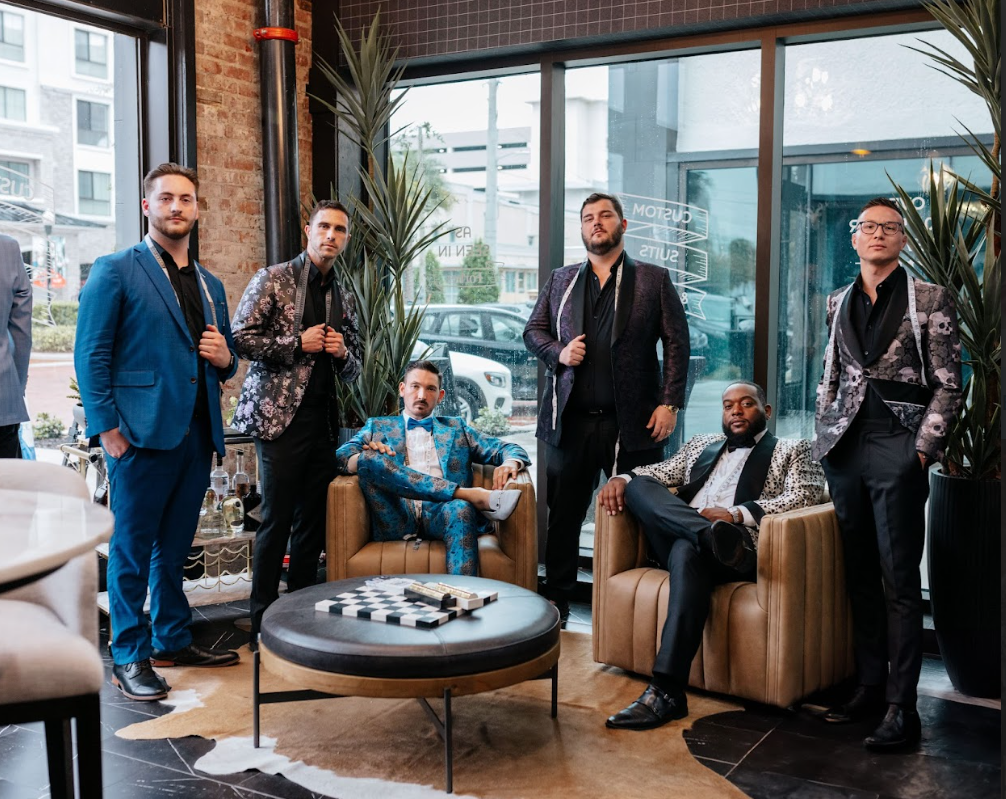
Choosing fewer pieces that fit better. Investing in quality instead of quantity. Dressing in a way that reflects who you are and where you’re going.
When someone steps into clothing that truly fits them—physically and personally—the shift is immediate.
They stand differently.
They move differently.
They show up with more confidence.
That’s the real power of intentional style.
Because when your wardrobe aligns with who you are, you’re not just getting dressed.
You’re showing up with purpose.
Author Bio
Matt Jefferson is a Senior Style Consultant at TWEEDS Tampa, specializing in custom suiting and wardrobe strategy for CEOs, founders, and professionals who value presence, craftsmanship, and authenticity. Through personalized fittings and style consultations, Matt helps clients align their visual identity with the way they lead, work, and show up in the world. Learn more and connect with Matt here: https://www.linkedin.com/in/matt-jefferson-tweeds/