

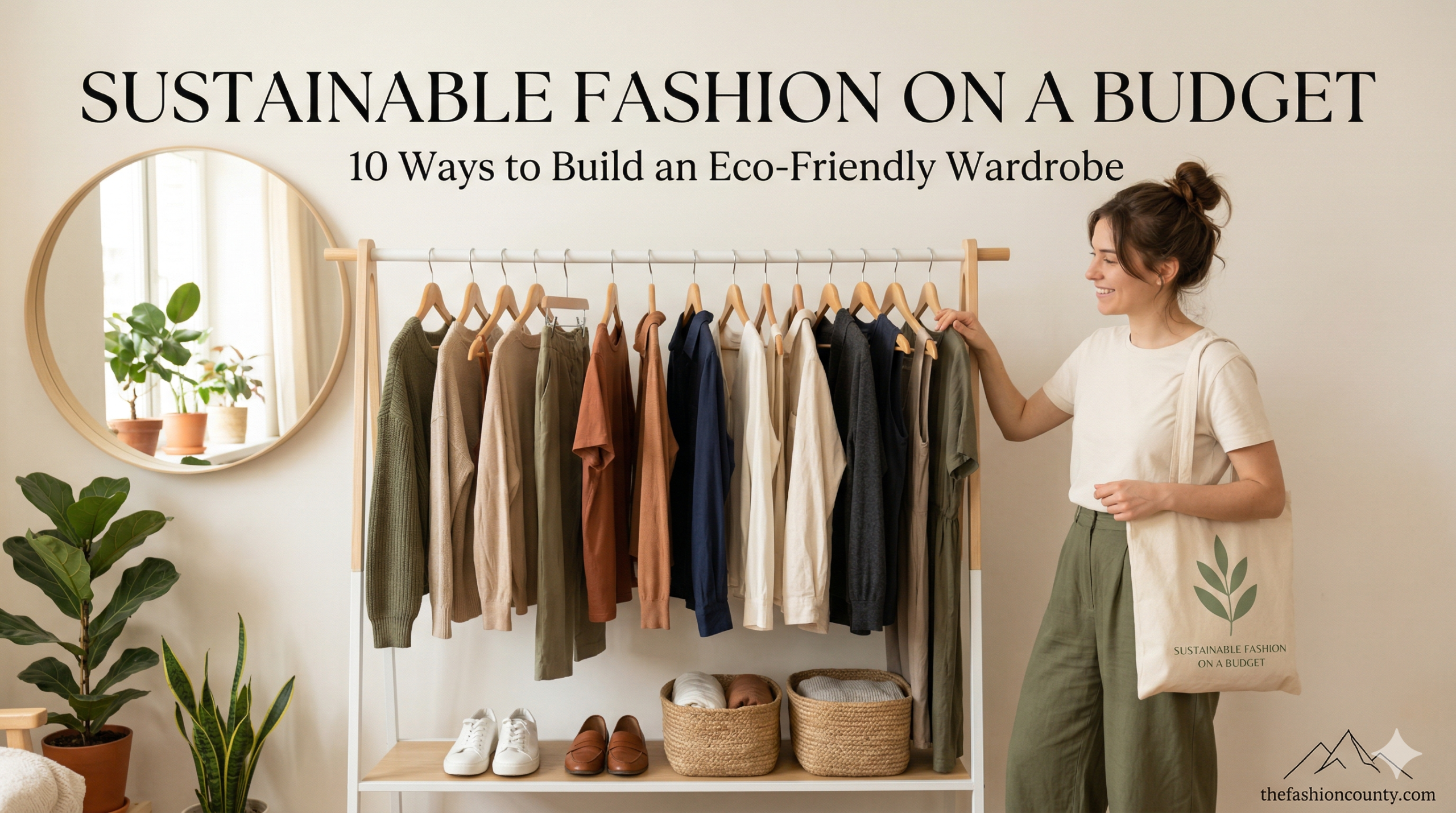
Fashion is one of the world’s most polluting industries — but you have more power than you think. Building a sustainable wardrobe doesn’t require spending a fortune on organic designer labels. With the right mindset and smart shopping habits, you can dress beautifully while being kinder to the planet and your wallet.
Here are 10 practical, budget-friendly ways to make your wardrobe more eco-conscious in 2026.
1. Embrace the Capsule Wardrobe Philosophy
A capsule wardrobe is built on fewer, better pieces that mix and match endlessly. Aim for 30–40 high-quality items rather than 100 fast-fashion pieces. This reduces waste, saves money over time, and forces you to be intentional about every purchase. Focus on neutral basics that never go out of style — white shirts, dark jeans, classic blazers, and versatile dresses.
2. Shop Secondhand First
Thrift stores, vintage shops, and online resale platforms like OLX, Facebook Marketplace, and Vinted (in India: Thredup and GreenDust) are goldmines for quality clothes at a fraction of retail prices. Buying secondhand is one of the most powerful sustainable acts — it extends a garment’s life and keeps it out of landfills. Designer pieces, barely-worn ethnic wear, and statement accessories can be found for incredibly low prices.
3. Learn to Read Fabric Labels
Sustainable fashion starts with understanding what your clothes are made of. Prioritise natural fibres: organic cotton, linen, hemp, Tencel, bamboo, and recycled polyester. Avoid virgin synthetic fibres like standard polyester, nylon, and acrylic when possible — they shed microplastics with every wash. When you can’t avoid synthetics, use a Guppyfriend washing bag to catch microplastics.
4. Repair Before You Replace
A missing button, a small tear, or a loose hem are not reasons to throw away a garment. Learning basic sewing skills or taking items to a local tailor (extremely affordable in India at ₹20–₹100 per repair) dramatically extends the life of your clothes. The most sustainable item in your wardrobe is the one you already own.
5. Organise a Clothing Swap
Host or attend a clothing swap with friends, family, or neighbours. Everyone brings items they no longer wear and leaves with “new” pieces — for free. It’s social, sustainable, and surprisingly fun. Many cities now have organised swap events; search for them on Instagram and Meetup.
6. Support Indian Sustainable Brands
India has a thriving sustainable fashion ecosystem. Brands like No Nasties, Doodlage, Upasana, Bhu:Sattva, and Nicobar create beautiful clothing using organic, handloom, and recycled materials. Supporting these brands keeps traditional craft alive and reduces fashion miles (the distance clothes travel before reaching you).
7. Rent for Special Occasions
You don’t need to buy a new lehenga or saree for every wedding. Platforms like Flyrobe and Stage3 offer designer ethnic and western wear rentals at a fraction of the purchase price. Renting is perfect for once-worn occasions and reduces both spending and wardrobe clutter.
8. Wash Clothes Consciously
Washing clothes less frequently (when they’re actually dirty, not just worn once), in cold water, and on gentle cycles significantly extends their lifespan and reduces water and energy consumption. Air-dry instead of using a dryer. Store clothes properly — hanging knits stretches them; folding is better.
9. Do a Monthly Wardrobe Audit
Once a month, go through your wardrobe and identify items you haven’t worn in 3+ months. Donate to NGOs and charities (Goonj in India accepts clothing donations beautifully), sell on resale platforms, or upcycle into new items. This keeps your wardrobe intentional and prevents impulse shopping.
10. Invest in Timeless Pieces, Not Trends
Fast fashion thrives on micro-trends that last one season. Resist the urge to buy every new trend you see on social media. Instead, invest in timeless pieces with high cost-per-wear value — a quality pair of jeans, a classic trench coat, a versatile kurta set, and good shoes. These items will serve you for years, not weeks.
Before buying any item, ask yourself three questions: Will I wear this 30+ times? Does it work with at least 5 things I already own? Is it made of quality material? If you can answer yes to all three, it’s a worthwhile purchase.
Frequently Asked Questions
Q: Is sustainable fashion expensive?
Q: What is the most sustainable fabric?
Final Thoughts:
Sustainable fashion is not about perfection — it’s about progress. Every conscious choice you make, from shopping secondhand to repairing a garment, adds up to a meaningful impact. Start small, stay consistent, and celebrate every eco-friendly step you take.